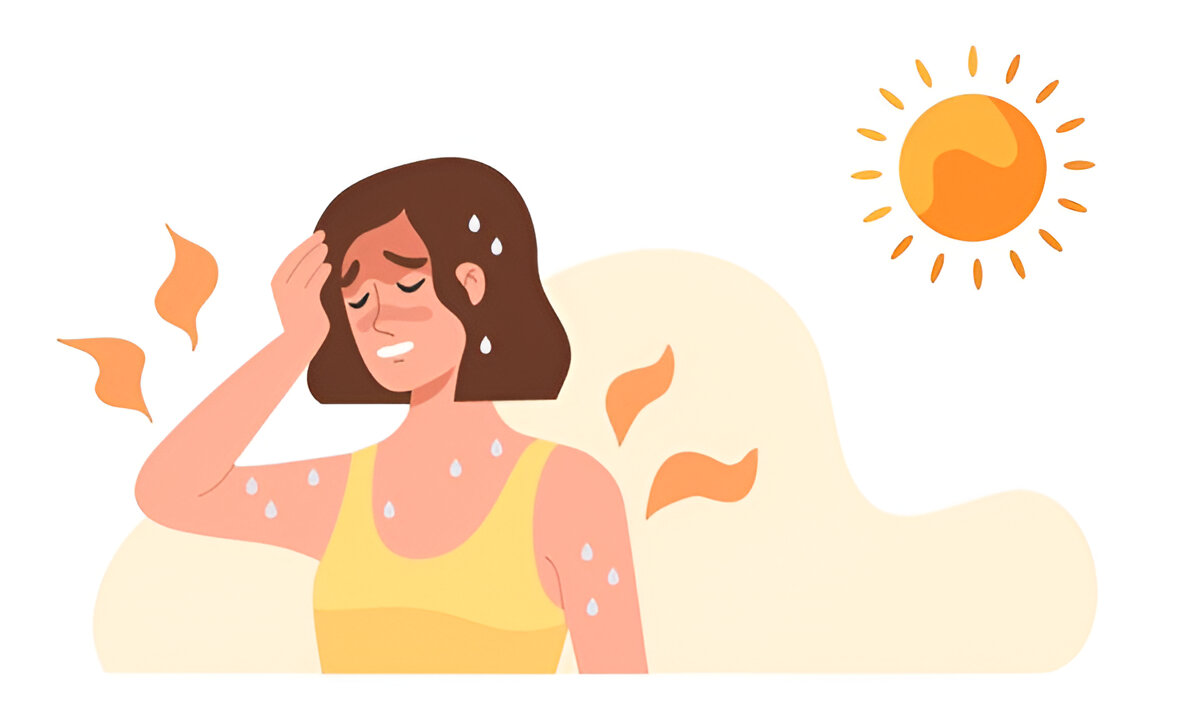







A lot of life changes do not arrive neatly. A new job, a breakup, a move, a health scare, a parenting shift, even something you chose and wanted can still leave your body tense and your mind unsettled.
Learning how to adapt to change is not about pretending you are fine. It means making room for stress, naming what is real, and adjusting in ways that support you instead of wearing you down.
Change can be positive and still feel hard
People often assume stress only shows up when something is going badly. That is not really how human adjustment works. Even welcome changes can disrupt routines, relationships, sleep, attention, and a basic sense of control.
That matters because the brain and body tend to respond to uncertainty before they sort out whether the change is “good” or “bad.” You may feel distracted, irritable, tired, restless, emotional, or oddly numb for a while. That does not always mean you are handling things poorly. It may mean your system is working to catch up.
Adaptation is usually a process, not a single decision. Research in psychology suggests that adaptation to change is shaped by flexibility, context, and available support over time, and that adjustment depends a lot on context, flexibility, and available support. Human change is more personal and more complex, of course, but the basic idea still fits. Strain is not failure. It is often part of transition.
What healthy adaptation actually looks like?
Healthy adjustment is not the same as forcing yourself to “stay positive.” It is more grounded than that.
It often looks like this:
- noticing stress instead of denying it
- keeping a few daily routines steady
- making decisions in smaller steps
- letting expectations change with circumstances
- asking for help before things pile up
- giving yourself time to feel mixed emotions
Some people become very self-critical during transition. They think they should be coping better because the change was planned, because other people have it worse, or because they have handled hard things before. That kind of pressure usually adds more stress.
A useful way to think about this is: adapting well does not mean feeling calm all the time. It means staying connected to what helps you function while your inner world settles.
Common signs that stress is getting tangled up with change
Stress around change can show up in quiet ways. Sometimes it looks dramatic, but often it just starts to shape daily life in small, draining patterns.
You might notice:
- trouble sleeping or sleeping more than usual
- feeling on edge or easily overwhelmed
- difficulty concentrating
- pulling away from people
- overcommitting to stay distracted
- avoiding decisions
- muscle tension, headaches, or stomach discomfort
- feeling guilty for not adjusting faster
These responses can be common during periods of uncertainty. Still, there is a difference between understandable stress and stress that keeps deepening.
When distress lasts, gets more intense, or begins to affect work, relationships, eating, sleep, or day-to-day functioning, extra support may help. A primary care clinician or mental health professional can help sort out whether what you are feeling is part of a normal adjustment period or something that needs more attention.
Small stabilizers matter more than dramatic reinventions
During change, people sometimes feel pressure to overhaul everything at once. New routines, new mindset, new habits, better boundaries, more exercise, less scrolling. It sounds productive. In practice, it can be too much.
Steadier change usually starts smaller.
Try to keep two or three anchors in place, especially when the rest of life feels unsettled. That might be waking up at a similar time, eating regular meals, going outside every day, keeping one supportive friendship active, or doing one task before checking your phone in the morning.
These small anchors can reduce the mental load that comes with uncertainty. They do not erase stress, but they can make it easier to carry.
To make this feel more manageable, pick routines that are simple enough to keep on hard days. A five-minute walk counts. So does drinking water before coffee or texting one person back. Stability does not have to look impressive to be real.
Make space for grief, even when nothing “bad” happened
One of the most overlooked parts of change is loss. A new chapter often means something else is ending, and that ending may deserve attention.
You may be grieving a version of your life, your role, your expectations, your time, your energy, or the way a relationship used to feel. People often dismiss that kind of grief because it does not look dramatic from the outside.
But unacknowledged grief has a way of turning into irritability, exhaustion, or emotional flatness. Naming the loss can soften some of that pressure. You do not need to prove that your feelings are serious enough. You only need to notice that something meaningful shifted.
When you have a quiet minute, it may help to ask: what am I trying to carry forward, and what am I having trouble letting go of? Sometimes that question brings more clarity than advice does.
Flexibility is stronger than forced control
When life changes quickly, control can feel like the safest goal. Some control is useful. Too much can become rigid, and rigidity tends to break under stress.
Flexibility is different. It means adjusting without losing yourself. It means being willing to revise a plan, lower the bar for a season, or accept that your first response may not be the best long-term one.
Research in adaptation across systems often points to the same broad lesson: resilience depends less on perfect resistance and more on the ability to respond, recalibrate, and keep functioning in changing conditions. For people, that may mean trying a routine, noticing what works, and changing course without treating that shift as failure.
The key point is that flexibility is not weakness. It is a practical skill. And for many adults, it has to be relearned slowly, especially after long periods of stress.
Support can make adaptation healthier
People do not always adjust best by handling everything alone. Support can reduce isolation, widen perspective, and make decisions feel less loaded.
That support may come from:
- a trusted friend who can listen without fixing
- family members who can help with practical tasks
- a therapist or counselor
- a support group
- a supervisor, teacher, or mentor, depending on the situation
- a healthcare professional when stress is affecting your health
Not every person in your life will know how to support you well. That is frustrating, and it is common. Sometimes healthy adaptation also means being more selective about where you bring your vulnerability.
One small step to consider is asking for one specific kind of help instead of hoping someone will understand the whole picture. Clear requests are often easier for people to meet.
When to get extra help?
Most people need time to adjust to major change. But there are moments when more support is a good idea.
Consider reaching out to a professional if:
- stress feels constant for weeks and is not easing
- anxiety or low mood is interfering with daily life
- you are struggling to work, care for yourself, or stay connected
- sleep problems are becoming persistent
- physical symptoms linked to stress keep showing up
- substance use or other coping habits are becoming harder to manage
There is no prize for waiting until things get worse. Getting help early can make a transition feel more workable and less lonely.
A steadier way forward
Change asks a lot from people. It can stir up fear, hope, grief, relief, and confusion all at once. That mix is more normal than many people realize.
How to adapt to change in a healthy way often comes down to a few steady truths: notice what you feel, keep your basics in place, loosen unrealistic expectations, and let support count. You do not have to ignore stress to move forward. In fact, acknowledging it is often what helps you adjust with more honesty and less strain.
Safety Disclaimer
If you or someone you love is in crisis, call 911 or go to the nearest emergency room. You can also call or text 988, or chat via 988lifeline.org to reach the Suicide & Crisis Lifeline. Support is free, confidential, and available 24/7.
Author Bio
Earl Wagner is a health content strategist focused on behavioural systems, clinical communication, and data-informed healthcare education.
Sources
- Lazarus, R. S., & Folkman, S. (1984). Stress, appraisal, and coping. Springer.https://doi.org/10.1007/978-1-4419-1005-9
- Holmes, T. H., & Rahe, R. H. (1967). The Social Readjustment Rating Scale. https://doi.org/10.1016/0022-3999(67)90010-4
- Kashdan, T. B., & Rottenberg, J. (2010). Psychological flexibility as a fundamental aspect of health. https://doi.org/10.1037/a0018868